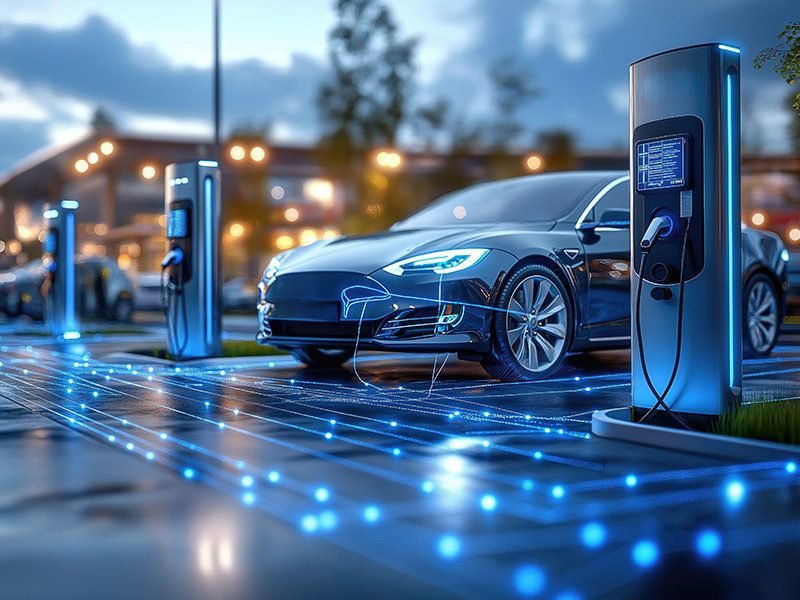
MÖTEN evfc delivers EV charging infrastructure across 22 distinct EV markets worldwide: from a single home charger in a driveway to a 720 kW corridor hub on a federal highway. Five hardware classes (Home L2, Commercial L2, DC Fast, DC Fast Cluster, Battery-Buffered Cluster), one charger management system (eMÖTEN CMS), and one engineering team behind every deployment. The patented XEYAR battery-buffered architecture eliminates the #1 obstacle to EV charging at scale: utility interconnection. Sites that would normally need a 12–24 month transformer upgrade deploy in 4–6 weeks on existing 480V service.
22 EV markets, 5 hardware families, 1 platform
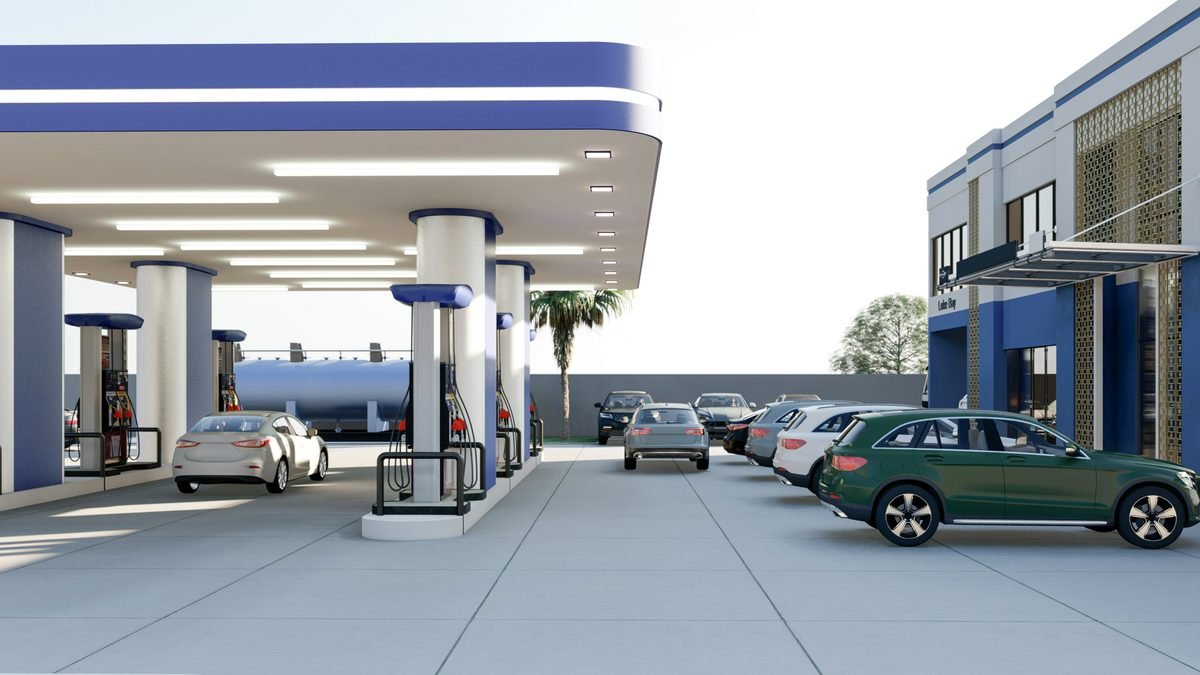
We organize our markets in two tiers. 10 cornerstone markets: gas stations, fleet depots, multifamily, workplace, retail, hotels, highway corridors, healthcare, government, and education, account for the highest deployment volume and have full detail blocks above with proof-point stat strips. 12 additional markets: charge point operators, dealerships, remote/off-grid, parking, airports, restaurants, industrial, real estate, residential, gyms, venues, and faith properties, share the same battery-buffered architecture but address smaller-volume buyer profiles.
Five hardware families cover every scale and form factor:
- BOÖTES: residential L1/L2 (16–48 A) for single-family homes and detached garages
- LYNX: commercial L2 (32–80 A) for workplace, MDU, and parking-garage deployments
- PHOENIX: pedestal L2 with payment-enabled commercial use cases
- FALCÃO: DC fast chargers (60–360 kW) for hotels, dealerships, restaurants, parking, and corridor sites
- KOMODO: DC fast cluster (480–720 kW multi-port) for corridor depots and high-throughput hubs; SPHINX family planned for ultra-fast corridor sites
- XEYAR-B: battery-buffered cluster, up to 720 kW on a 100 A service, the patented XEYAR shared DC bus architecture, powered by the DRACO energy storage module (supercapacitor or sodium-ion, per project), that unlocks gas stations, fleet depots, multifamily, and off-grid markets where conventional DCFC cannot deploy
Battery-buffered architecture, certified chemistries
Every XEYAR-B deployment uses one of two non-thermal-runaway buffer chemistries: supercapacitor (high-cycle, low-energy-density, ideal for short bursts and harsh climate) or sodium-ion (high-energy-density, daily cycling, non-hazardous transport, ideal for fleet depots and remote sites). Both chemistries carry UL 9540, UL 9540A Pass, NFPA 855, and NEC Article 706 listings, meeting indoor parking-garage, MDU, hospital, and underground deployment requirements where lithium DCFC is restricted by fire authorities.
Nationwide US coverage, federal pricing, local incentives
evfc.com is the United States edition, serving all 50 states with USD pricing, US warehouse stock, and a state-by-state rebate map. The Section 30C tax credit (30% up to $100,000 per charger under IRA 2022, for chargers installed in eligible US census tracts before June 30, 2026 per OBBB; consult your tax advisor) and state-level EVSE rebate programs are tracked continuously. Hardware ships from US warehouses; installation is handled by a certified US installer network.
Certifications & procurement eligibility
Every MÖTEN charger is engineered to qualify for the major federal, state, and utility EV charging incentive programs in the United States: UL, ETL, ENERGY STAR, FCC Part 15, NACS, OCPP 1.6 (2.0 ready), ISO 15118 Plug-and-Charge. Cooperative purchasing pathways via Sourcewell, OMNIA Partners, BuyBoard, TIPS, HGAC. GSA Schedule 23 V for direct federal agency procurement. Healthcare GPO eligibility (Premier, Vizient, HealthTrust, MedAssets) for hospital purchasing. Section 30C federal tax credit (30% up to $100,000 per charger) under IRA 2022, available for chargers installed in eligible US census tracts (lookup at anl.gov) before the June 30, 2026 sunset per the One Big Beautiful Bill Act, consult your tax advisor for eligibility on your specific site.
Tell us your market and your site profile, we’ll recommend the right hardware family, chemistry (where applicable), and configuration for your specific buyer logic, electrical realities, and incentive landscape. Free site assessments are available for every market above.